

ALL THE NEED-TO-KNOWS,
NONE OF THE SNOOZE.
The one stop shop
Alright, let’s break it down - no jargon, no lecture, just the straight-up goods.
Whether you’re buying your first home, tapping into that sweet sweet equity, or finally ghosting your current lender (no shade... ok maybe a little), this is where the magic happens.
Ready to get clued up?
Dive in. Get smart. Loan like a legend.
Bite-sized guides. Real talk explainers.
Lightbulb moments waiting to happen.
All the juicy stuff you actually want to know, minus the brain fog. Because home loans don’t need to be harder than assembling IKEA furniture blindfolded.
We might not be busting out the kangaroo hop on the Olympic stage, but when it comes to breaking down home loans? We've got the gold medal.

What is a private treaty sale?
A private treaty sale is the most common way to buy property in Australia. The seller sets an asking price and buyers negotiate directly or through agents. Unlike auctions, private treaty gives you more time and flexibility with the protection of a cooling-off period and the ability to include conditions like finance and inspection clauses. This guide covers every stage from pre-approval through to settlement, including negotiation strategy, deposit requirements, the 5-business-day cooling-off period in NSW, how to finalise your mortgage, and government scheme eligibility.

Buying a property at auction
Buying property at auction can be exciting and challenging, especially for first home buyers. Unlike private treaty, auctions require unconditional bids, immediate commitment, and a 10% deposit on the spot with no cooling-off period. This guide covers how auctions work, how they compare to private treaty and off-the-plan, pre-auction financial readiness and legal due diligence, developing your bidding strategy, auction day tactics, understanding vendor bids and reserve prices, and what happens whether you win, are outbid, or the property passes in.
Buying off the plan guide
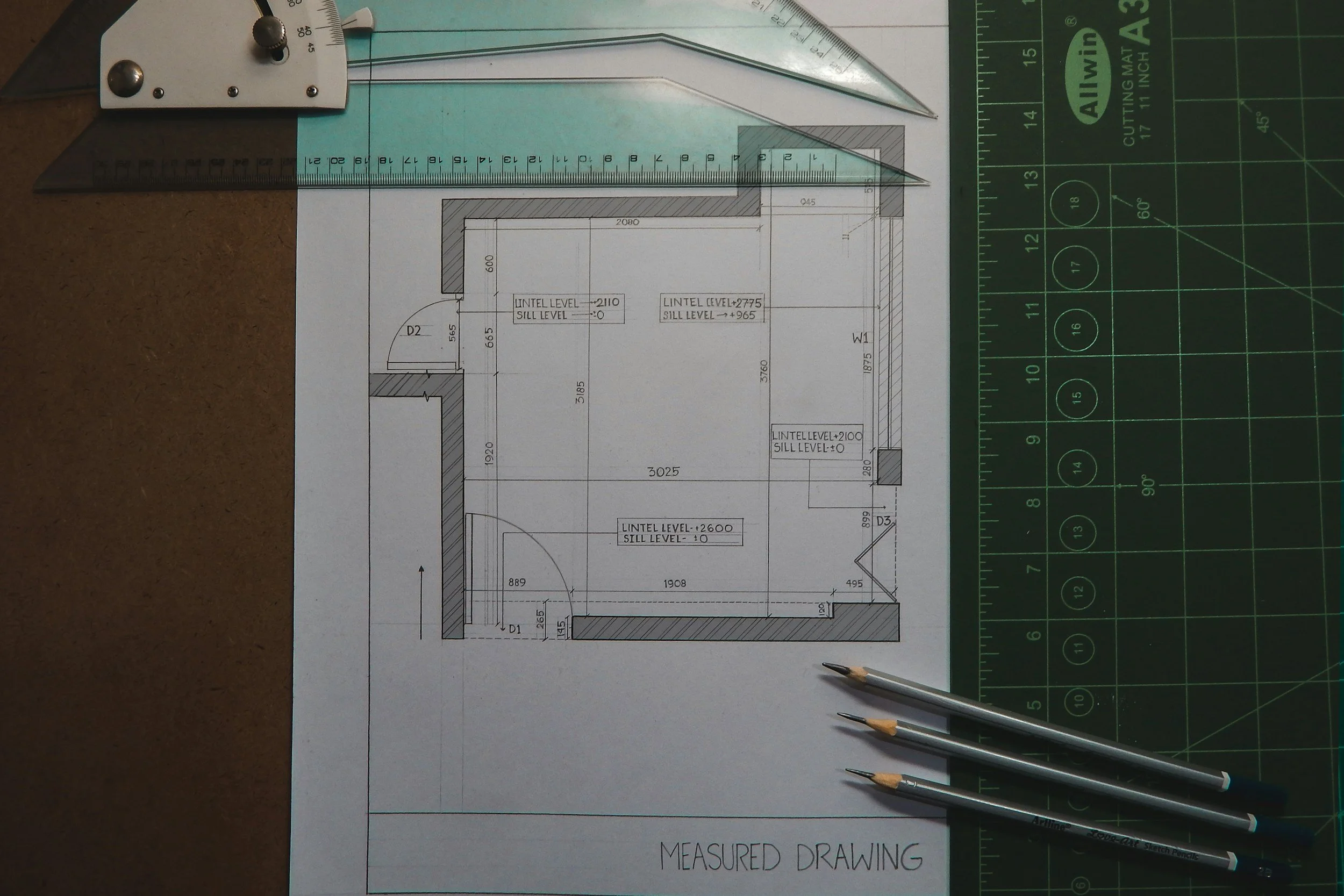
Buying off the plan means purchasing a property based on architectural plans before construction is complete. It offers first home buyers access to brand-new properties with modern amenities, potential stamp duty savings, and time to build additional savings during construction. However, it also carries unique risks including market fluctuations, construction delays, valuation shortfalls at settlement, and developer insolvency. This guide covers advantages, risks, financing challenges, key contract clauses, developer evaluation, and settlement preparation.

Buying a freestanding property
Buying a freestanding property is one of the most rewarding decisions a first home buyer can make. When you purchase a standalone house, you acquire both the building and the land, giving you complete ownership and control. This guide covers what defines freestanding properties, how they compare to strata, key advantages including privacy, space, renovation freedom, and strong long-term capital growth through land value appreciation. Understand the financial considerations, different types of freestanding homes, renovation and development potential, and the buying process.

Buying a strata title property
Buying a strata title property is an increasingly popular choice for first home buyers seeking affordability, convenience, and prime location. Strata title means you own your individual unit exclusively while sharing ownership of common areas with all other owners through an owners corporation. This guide covers the strata structure, types of strata properties, key advantages including lower entry prices and shared amenities, strata levies and ongoing costs, governance and by-laws, building condition assessment, and how to evaluate a scheme's financial health before committing.

Buying land as a first home buyer
Buying land as a first home buyer is an exciting pathway to home ownership. This guide covers the three main types of land (registered, unregistered, and package deals), financial advantages including stamp duty savings and First Home Owner Grant eligibility, development feasibility considerations including soil, slope, services, and zoning, holding costs and regulatory requirements, dual occupancy potential for maximising returns, and financing options.

Buying land for construction guide
Building your dream home starts with purchasing the right land and structuring your finances strategically. This guide covers development options including single dwelling, dual occupancy, duplex, and dual detached homes. Learn about location selection for construction, council regulations and approvals, how construction loans work with staged fund releases, builder selection, and project management. First home buyers can access stamp duty on land value only, the First Home Owner Grant ($10,000 for new builds), and the Home Guarantee Scheme for 5% deposit with no LMI.

Property settlement day guide
Settlement day marks the grand finale of your home buying journey, the moment you officially take ownership. This guide covers the pre-settlement inspection (what to check, when to do it, and what to do if you discover issues), final financial confirmations, settlement timing and coordination, key collection and moving preparation, and what to do immediately after settlement. Includes 7 FAQs covering timeline, costs, delays, and post-settlement responsibilities.